Introduction
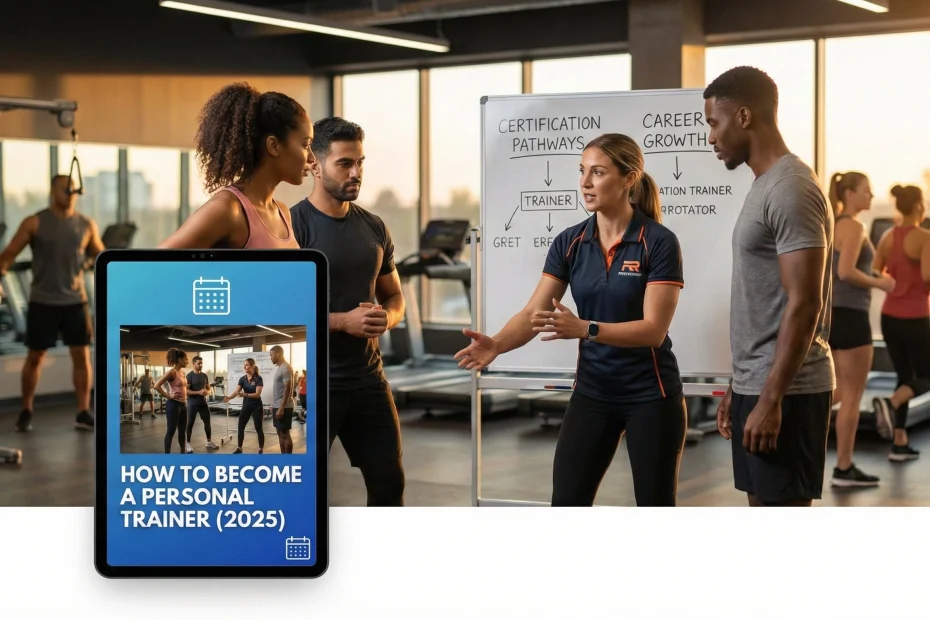
How To Become A Personal Trainer 2025? The Best PathWant to become a personal trainer in the UK? Here’s everything you need to know — qualifications, costs, salary, study routes, funding options, and career pathways.
Why Personal Training Is One of the Fastest-Growing Careers in 2025
The UK health and fitness industry is booming. With more commercial gyms, boutique studios, and online coaching platforms than ever before, demand for qualified Personal Trainers continues to rise. Whether you want to work in a gym, build your own online brand, or combine both, becoming a PT has never been more accessible.
This guide breaks down exactly how to become a personal trainer — step by step.
Step 1: Get the Minimum Required Qualification
To become a PT in the UK, you must complete:
✅
Level 2 Gym Instructor
This is your foundation. It qualifies you to work on the gym floor, supervise members, deliver inductions, and assist trainers.
✅
Level 3 Personal Trainer
This qualification allows you to design programmes, work 1-to-1 with clients, and charge for personal training.
Most people choose the combined L2 + L3 Diploma to save time and money and get qualified faster.
Step 2: Choose the Right Training Provider
Active IQ or CIMSPA accreditation
Flexible online + practical delivery
Transparent support (not sales pressure)
Assessment dates and locations
Real student reviews
A high-quality provider will give you a clear learning journey and support you from enrolment to employment.
Step 3: Decide How You Want to Study
There are three main pathway options:
1. Blended Learning (Most Popular)
Online theory + in-person practical workshops
✔ Best balance
✔ Flexible around work
✔ High pass rate
2. In-Person Courses
Great if you prefer classroom-style learning.
3. Fully Online Learning
Good for theory, but ensure the provider includes real practical assessments.
Step 4: How Long Does It Take?
Most learners complete:
- Level 2 Gym Instructor: 6–12 weeks
- Level 3 Personal Trainer: 8–16 weeks
- Combined Diploma: 12–24 weeks
Faster routes exist, but only choose them if the provider offers robust support.
Step 5: How Much Does It Cost?
Typical costs in the UK:
- L2 Gym Instructor: £600–£900
- L3 PT Course: £1,100–£1,700
- Combined Diploma: £1,400–£2,400
Most providers offer 0% payment plans.
Step 6: What Does a Personal Trainer Earn?
Earnings vary based on location, experience, and whether you work freelance or employed.
Typical ranges:
- Commercial Gym PT: £18,000–£28,000
- Freelance PT: £25,000–£45,000
- Hybrid PT + Online: £35,000–£60,000+
Top trainers who specialise (fat loss, strength, rehabilitation, online coaching) can earn significantly more.
Step 7: How to Start Your Career Quickly
After qualifying, you can:
🔹
Work in a commercial gym
Guaranteed footfall, fast way to learn the ropes.
🔹
Become a freelance PT
Set your own hours and pricing.
🔹
Take your PT business online
Build a digital coaching brand.
🔹
Add additional income streams
- Group PT
- Bootcamps
- Exercise referral
- Sports massage
- Spin instruction
Final Step: Enrol With the Right Provider
Starting your fitness career begins with choosing the best qualification and the right support. A high-quality provider will guide you through every stage — learning, assessments, mentoring, and into real employment.